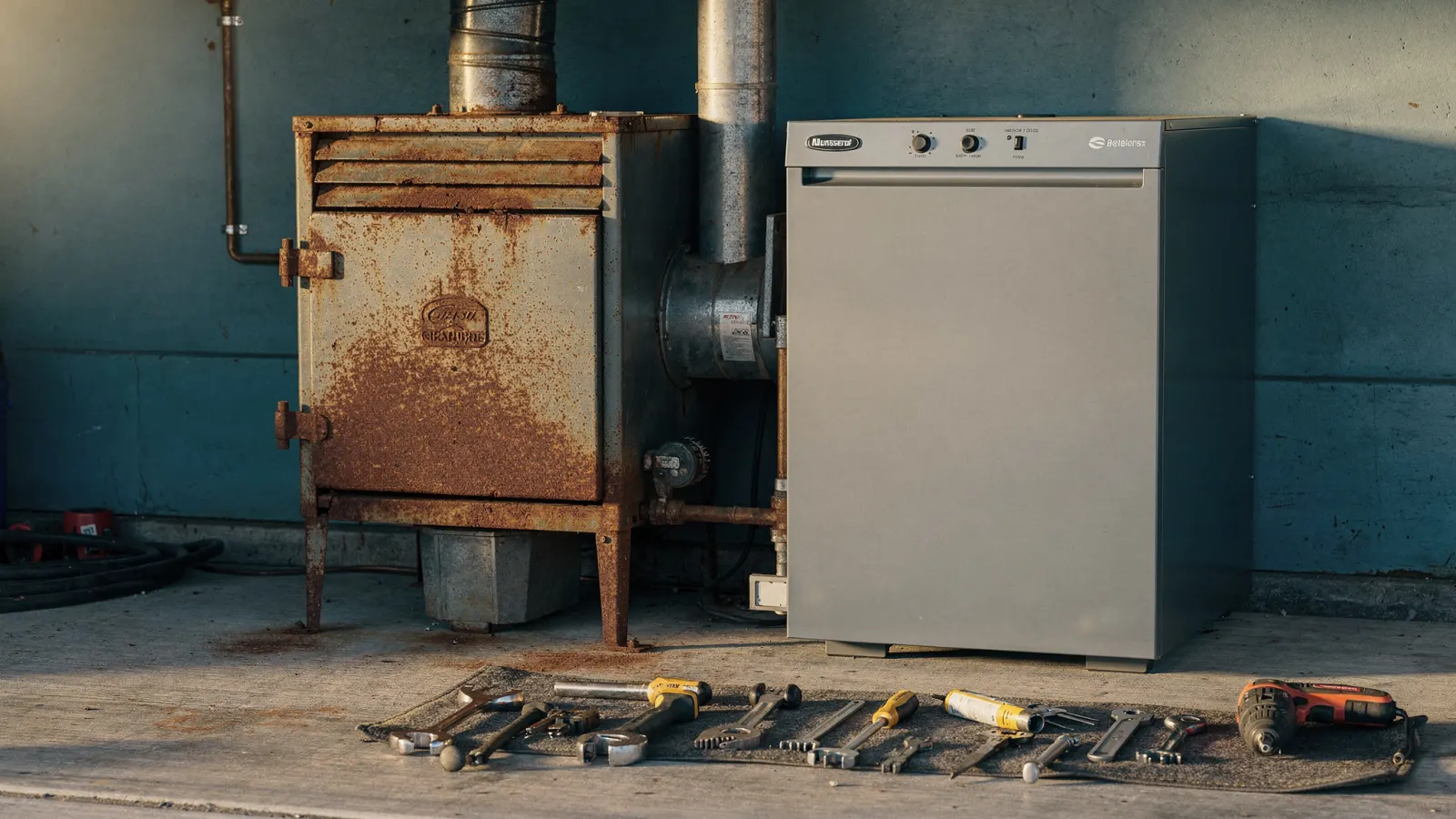
Heating system replacement
Replacing heat in Arizona means deciding between gas and a heat pump
Your winter is short, which changes the math. A heat pump gives you both heating and the cooling you need ten months a year, while a furnace is simpler and cheaper to install. We price both options side by side in writing.
Straight answer
What does heating replacement cost in the Valley?
A furnace replacement typically lands between $4,500 and $9,000 installed, and a heat pump replacement between $7,000 and $15,000. Gas pipe corrections, venting changes, electrical upgrades and permits are itemized separately so you can see exactly where the money goes.
Two factors decide most of the range: whether the existing gas line and venting can be reused, and whether you are replacing heating alone or both halves of the system at once. Replacing a furnace and an aging air conditioner together usually costs less than two separate projects.
What replacement includes
- Heat load calculation sized to Valley winter design temperatures rather than the label on the old unit.
- Duct and static pressure review to confirm the existing duct system can carry the new equipment's airflow.
- Venting and combustion air checked and brought to current code when a gas furnace is installed.
- Gas line or electrical work quoted separately and completed under the same ROC licence, so no second contractor is needed.
- Permit and inspection handled in your city, with documentation emailed to you for warranty and resale files.
- Commissioning measurements including temperature rise on gas systems or refrigerant charge on heat pumps, shown to you before we leave.
Repair or replace
When heating replacement is the cheaper decision
- The system is 15 years or older, which is past normal service life for both furnaces and heat pumps.
- A cracked heat exchanger is found, which is a carbon monoxide risk and cannot be repaired.
- The compressor or reversing valve fails on an aging heat pump.
- Repair cost approaches a third of replacement cost.
- Two or more repairs in the same heating season.
- The system uses an obsolete refrigerant or a discontinued control board that is hard to source.
If none of that applies and the system heats reliably, a repair is the honest answer and we will say so.
See furnace repair instead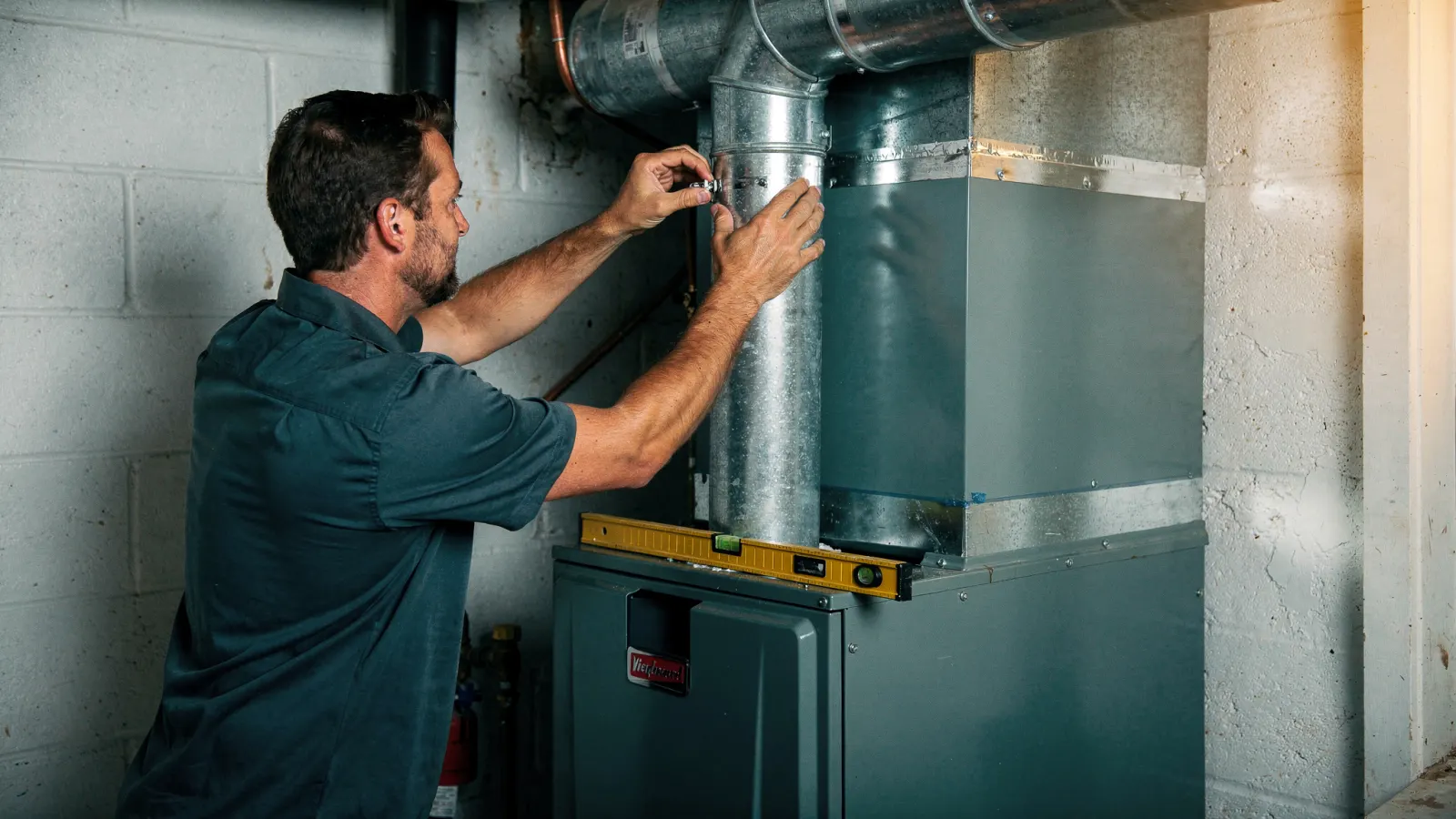
How it goes
Replacement day, step by step
- Consultation and measurements. We inspect the equipment, ductwork, gas piping and electrical, and photograph what we find.
- Two or three written options. Gas furnace, heat pump, or dual fuel, each with price, efficiency, warranty and expected winter performance.
- Permit and equipment order. Filed and ordered before install day so nothing is missing when the crew arrives.
- Removal and installation. Old equipment hauled away, new unit set, venting and connections completed, combustion or charge verified.
- Walkthrough. Thermostat setup, filter walkthrough, warranty registration and the city inspection scheduled and covered.
Financing is available for replacements, including 0% promotional plans for qualified buyers. See financing options or ask for the written terms.
Questions
Heating replacement questions
A furnace replacement typically runs $4,500 to $9,000 installed and a heat pump replacement $7,000 to $15,000. Venting changes, gas line corrections, electrical upgrades and permits appear as separate itemized lines in your written proposal.
Often yes. A heat pump also supplies the cooling you need most of the year, and Valley winters rarely require the high heat output of a gas furnace. Some homeowners choose dual fuel to keep gas as backup for the coldest nights. We price all three approaches side by side.
Most furnace and heat pump replacements finish in one day. Venting, gas piping or electrical upgrades add a second day. Heating is off only during working hours, and we watch the winter forecast when scheduling so you are not left cold overnight.
Yes, and it is common when the air conditioner is healthy and under ten years old. We match the new blower to the existing equipment. If the outdoor unit is also near the end of its life, replacing both at once is usually cheaper than two separate projects.
Compare gas and heat pump pricing before you decide
Itemized proposals, load-based sizing, permits handled. Decide with numbers instead of a sales pitch.