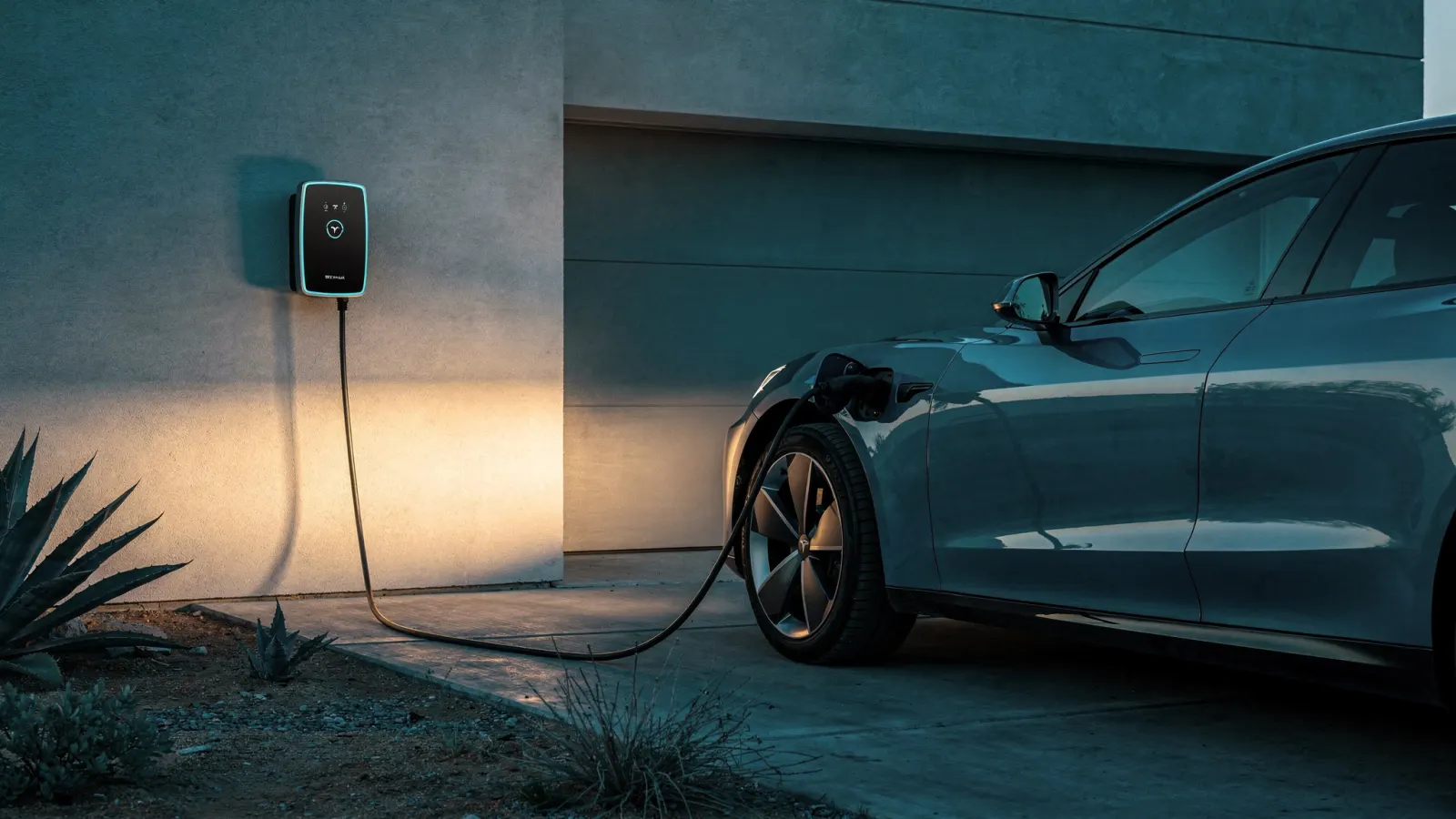
EV charger installation
Level 2 charging wired for an Arizona garage that runs hot
An EV charger is a continuous 40- to 48-amp load, which is the heaviest single load in most Valley homes. That deserves a load calculation, a properly sized circuit and an inspection, not an extension cord and hope.
Straight answer
What does EV charger installation cost, and do you need a panel upgrade?
Most Level 2 charger installations in the Phoenix metro run $800 to $2,500, covering the dedicated 240-volt circuit, breaker, conduit, permit and inspection. The run length from your panel is the biggest variable, and a long attic or exterior path adds labor.
A panel upgrade is needed only when a load calculation shows insufficient capacity. Many homes have enough headroom; when they do not, load management devices can pause charging while the AC and range are drawing, which costs far less than a service upgrade. We price both options.
What our EV charger installation includes
- Panel and load calculation using measured existing demand, so the recommendation is based on numbers.
- Dedicated 240-volt circuit sized to your charger's continuous rating with the correct breaker and conductor gauge.
- Hardwired or NEMA outlet installed where it actually works for your parking position, not where the conduit is convenient.
- Heat-aware routing for attic runs, because garage and attic temperatures in July are hard on conductors and equipment.
- Load management installed where capacity is tight, so charging yields automatically instead of requiring a service upgrade.
- Permit, inspection and commissioning, including a charge test and a walkthrough of the charger's settings and schedule.
Planning notes
Things worth deciding before install day
- Charger location relative to where you actually park, including whether the cable reaches both bays.
- Amperage you want: 32, 40 or 48 amps depends on your daily miles and how fast you need to recover.
- Hardwire versus outlet, which affects the maximum current and how the unit is protected.
- Future capacity, since a second EV or a hot tub changes the panel math later.
- Off-peak scheduling, which in Arizona means charging overnight when the house is not also cooling at full load.
We walk through those five questions before quoting so the installation fits how you will actually use it.
See all electrical services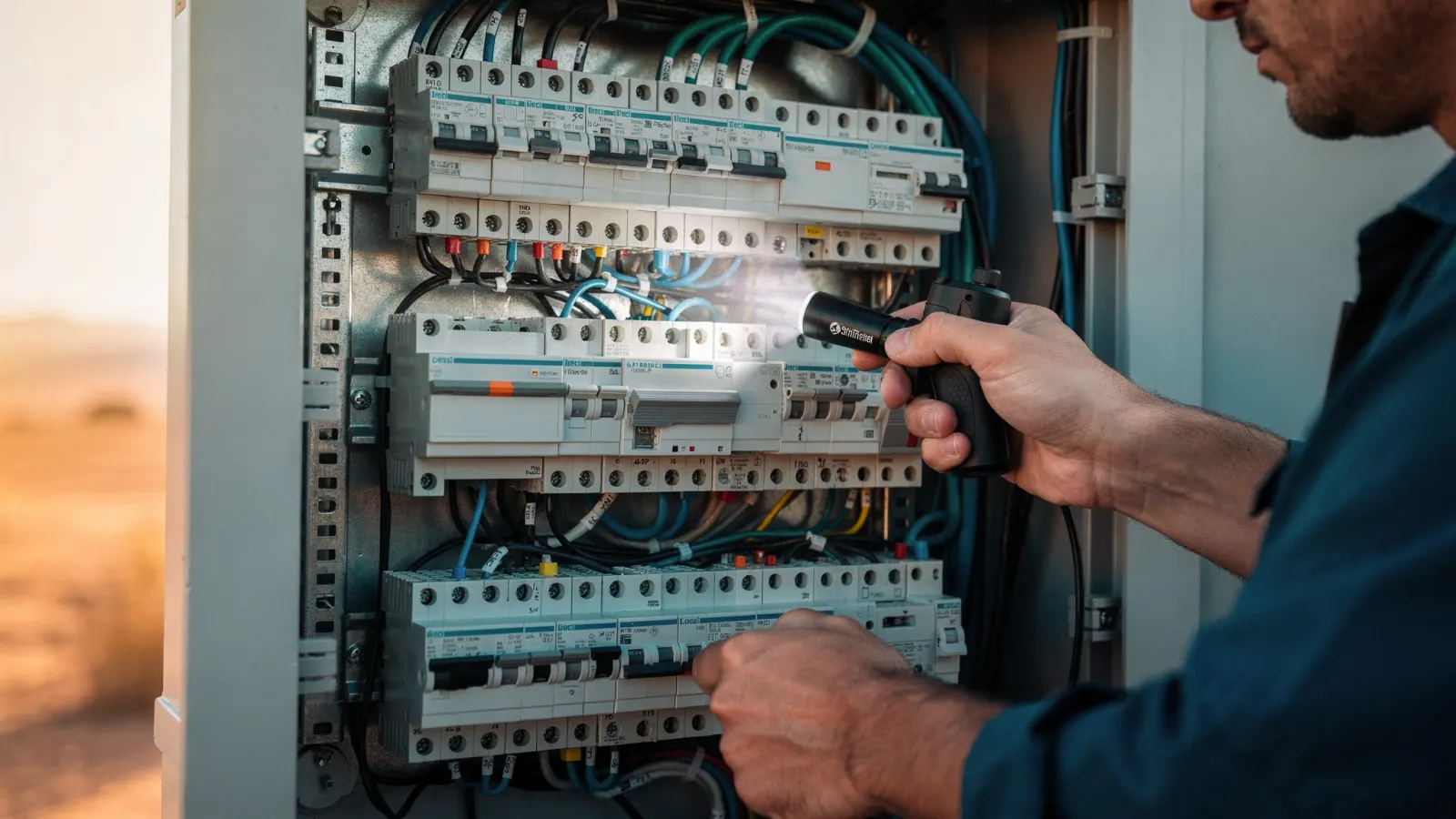
Questions
EV charger questions
Typically $800 to $2,500 including circuit, breaker, conduit, permit and inspection. Distance from the panel, attic versus exterior routing, and whether a panel upgrade is required are what drive the number.
Hardwiring suits most permanent installations: it supports higher current, removes one connection point and is what most manufacturers recommend. An outlet makes sense if you want to move the charger later or take it with you.
That is decided by a load calculation. If capacity is tight we install load management so charging yields during peak household draw, or recommend a service upgrade. Both are priced in writing so you can compare.
A straightforward install with an accessible panel takes three to five hours in one visit. Long conduit runs, attic work or a panel upgrade can extend it to a full day or a second visit, and we tell you which before starting.
Charging at home beats hunting for a station
Get a load calculation and a written price, including whether your panel really needs an upgrade.