It moves heat instead of making it
A furnace burns gas to create heat. A heat pump uses refrigerant and a compressor to move heat from outside air into your house, which is why it can deliver more heat energy than the electricity it consumes.
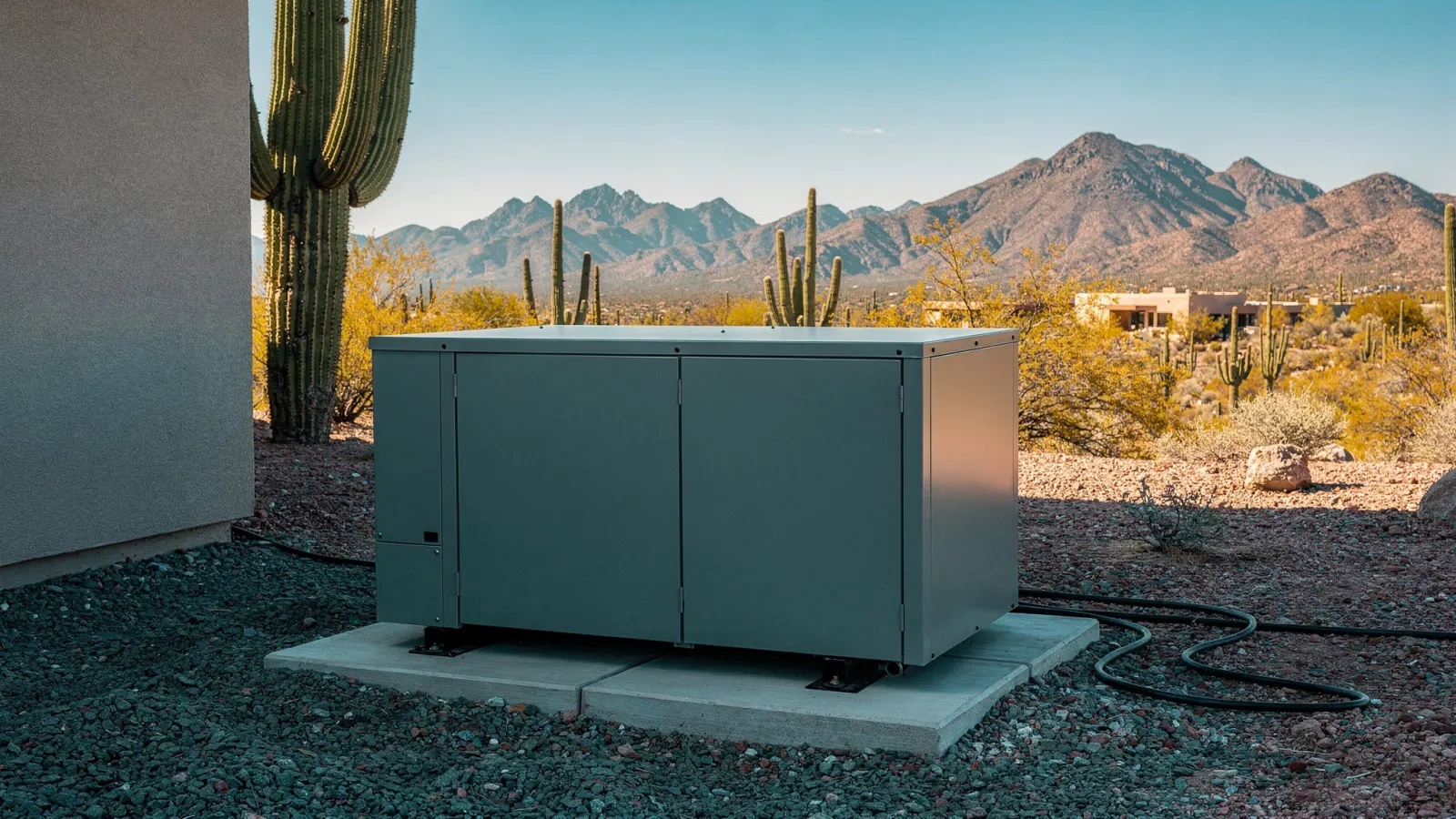
Heat pumps
In Arizona a heat pump spends most of its life in cooling mode, then reverses to heat the house on cold winter mornings. That dual role makes it the most sensible single-system choice in the Valley, and it also means it deserves twice-yearly attention.
Straight answer
Yes. Modern variable-speed heat pumps are engineered for desert cooling loads and heat efficiently down to temperatures the Valley rarely sees. They are already the default system in most new Phoenix-area construction, and they replaced gas furnaces in a large share of recent remodels.
The honest trade-off: a heat pump costs more to install than a furnace alone, and it works harder than a furnace because it runs year round. In exchange you get one system, one maintenance schedule and one warranty instead of two, plus cooling that is usually quieter and more even than a single-stage air conditioner.
A furnace burns gas to create heat. A heat pump uses refrigerant and a compressor to move heat from outside air into your house, which is why it can deliver more heat energy than the electricity it consumes.
One valve changes the direction of refrigerant flow, turning the same outdoor unit into an air conditioner in summer and a heater in winter. When that valve sticks, the system cools in winter or heats in summer.
In heating mode the outdoor coil gets cold enough to frost, so the unit periodically reverses to melt it. Steam and a whoosh from the outdoor unit on a cold morning is normal operation, not a failure.
In higher-elevation areas like Cave Creek and north Scottsdale, a dual fuel setup uses a gas furnace below the balance point so the heat pump never struggles in genuinely cold weather.
Signs of trouble
Heat pumps fail in cooling mode more often than heating mode in the Valley, simply because they spend far more hours cooling. Coil cleanliness and correct charge prevent most of it.
See heat pump maintenance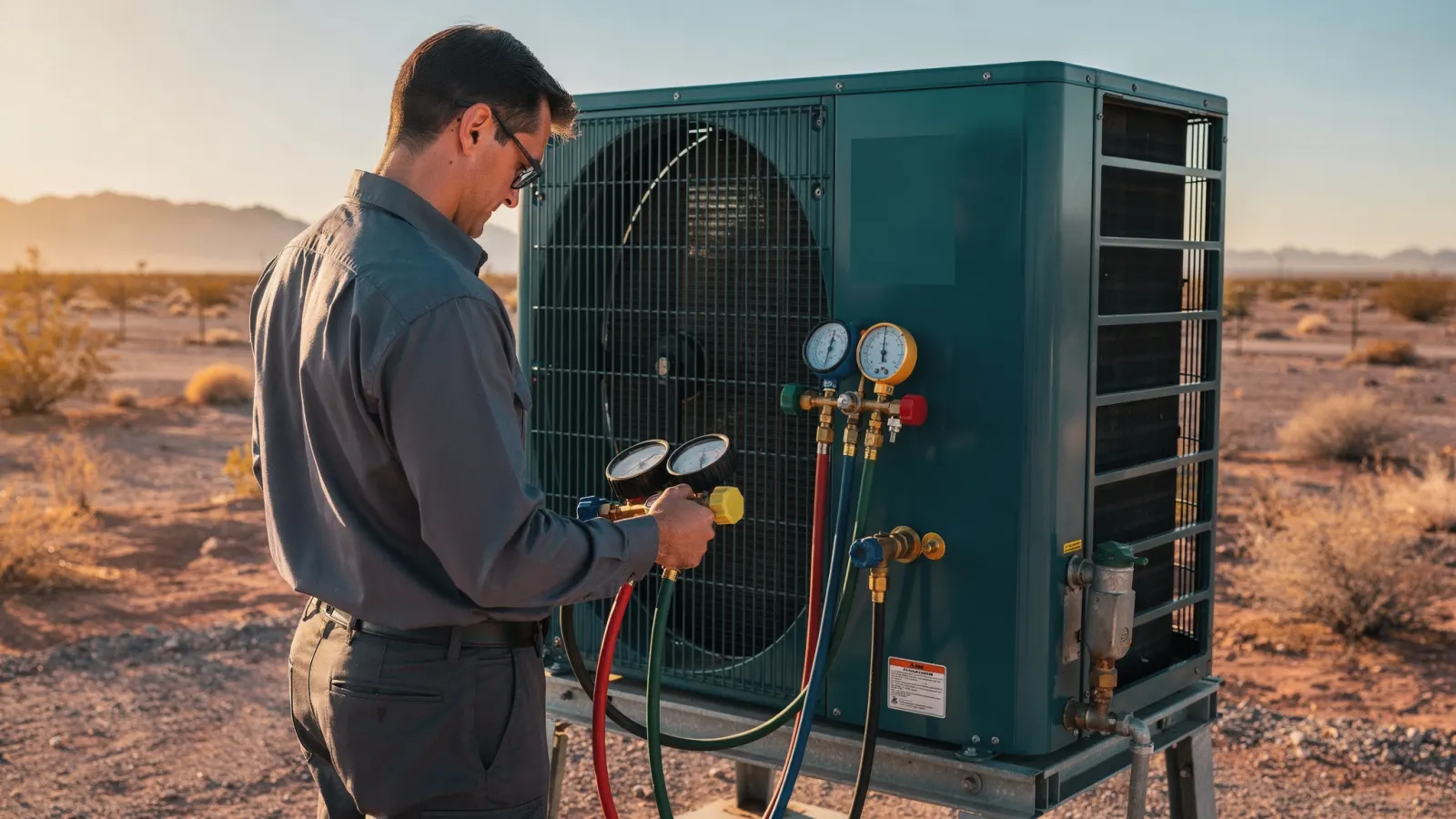
Questions
Yes. Modern variable-speed heat pumps are rated for desert cooling loads and heat efficiently at temperatures the Valley rarely reaches. They are already standard in most new Phoenix-area construction.
It depends on your utility rates, but because Arizona heating demand is small, one heat pump usually costs less across the year than a gas furnace plus a separate air conditioner, with one install and one maintenance schedule instead of two.
A heat pump paired with a gas furnace that switches based on outdoor temperature. The heat pump handles mild winter days and the furnace takes over below the balance point, which suits Cave Creek, north Scottsdale and higher-elevation homes.
Twelve to fifteen years with annual maintenance. A Valley heat pump runs nearly continuously through summer, so coil cleanliness and correct charge matter more than the calendar. Skipped tune-ups are what shorten that lifespan.
Repair, replacement or a tune-up, with the same upfront pricing on every visit.